Exploring the botanical knowledge of Withania somnifera and Lepidium meyenii through cultural and historical contexts
Withania somnifera, commonly known as ashwagandha, is a perennial shrub native to arid and semi-arid regions of India, North Africa, and the Middle East. The plant belongs to the Solanaceae family and has been documented in traditional Ayurvedic texts for over three thousand years.
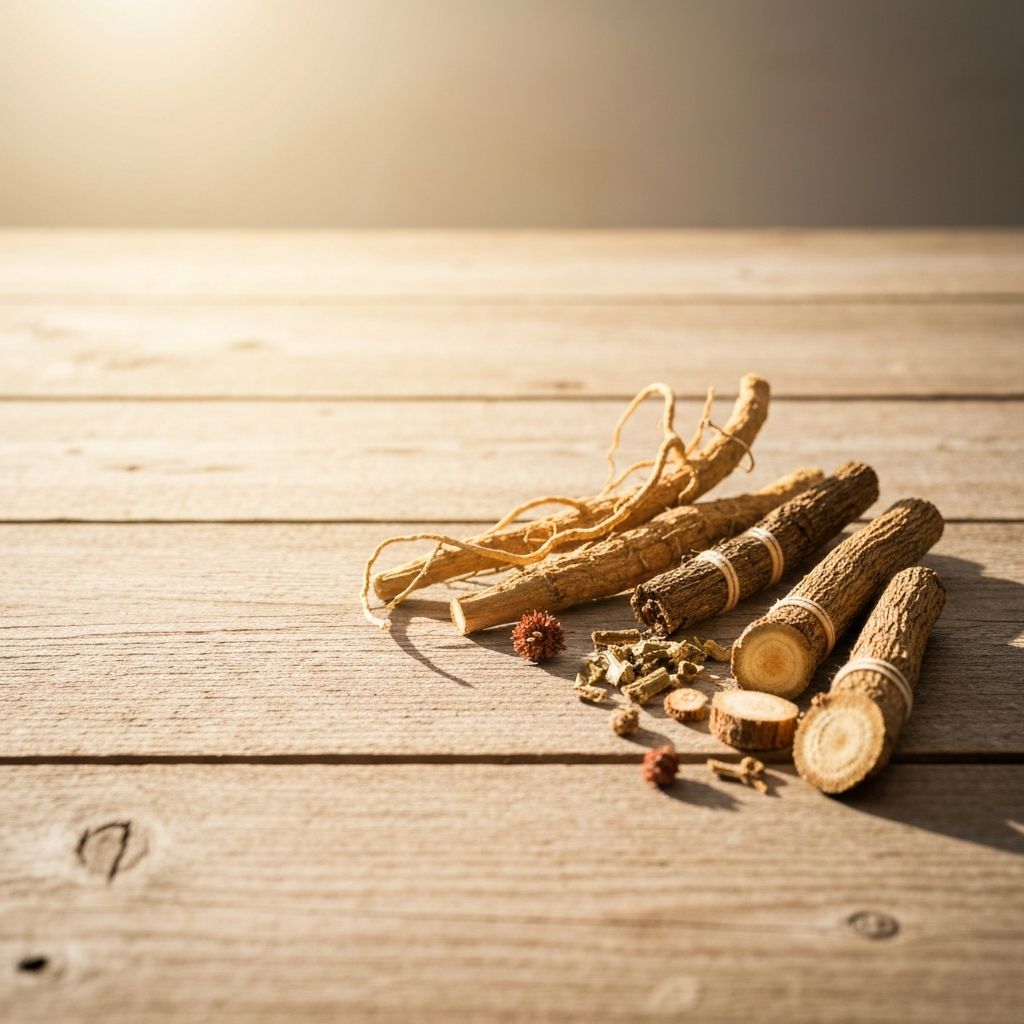
The name "ashwagandha" derives from Sanskrit roots meaning "smell of horse" and "strength," reflecting both the characteristic aroma of the root and its historical significance in traditional wellness practices. The root system develops underground, reaching depths of up to 1.5 meters, and is characterized by a tan to grayish-brown appearance with a fibrous texture when dried.
In Mediterranean regions and across Europe, knowledge of this root became established through historical trade routes connecting East and West, particularly during periods of cultural and commercial exchange spanning centuries. Traditional practitioners valued the dried root primarily for its preparation into powders, infusions, and extracts used in daily wellness rituals.
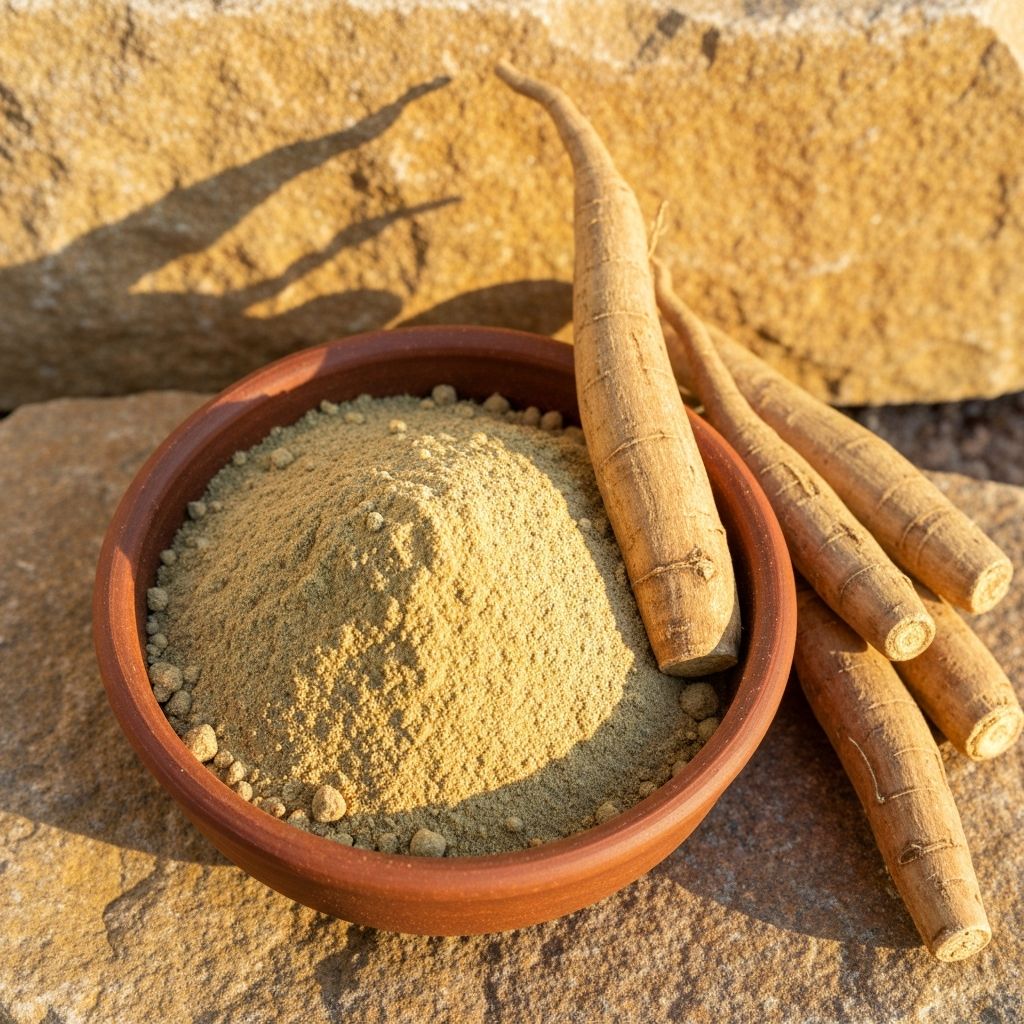
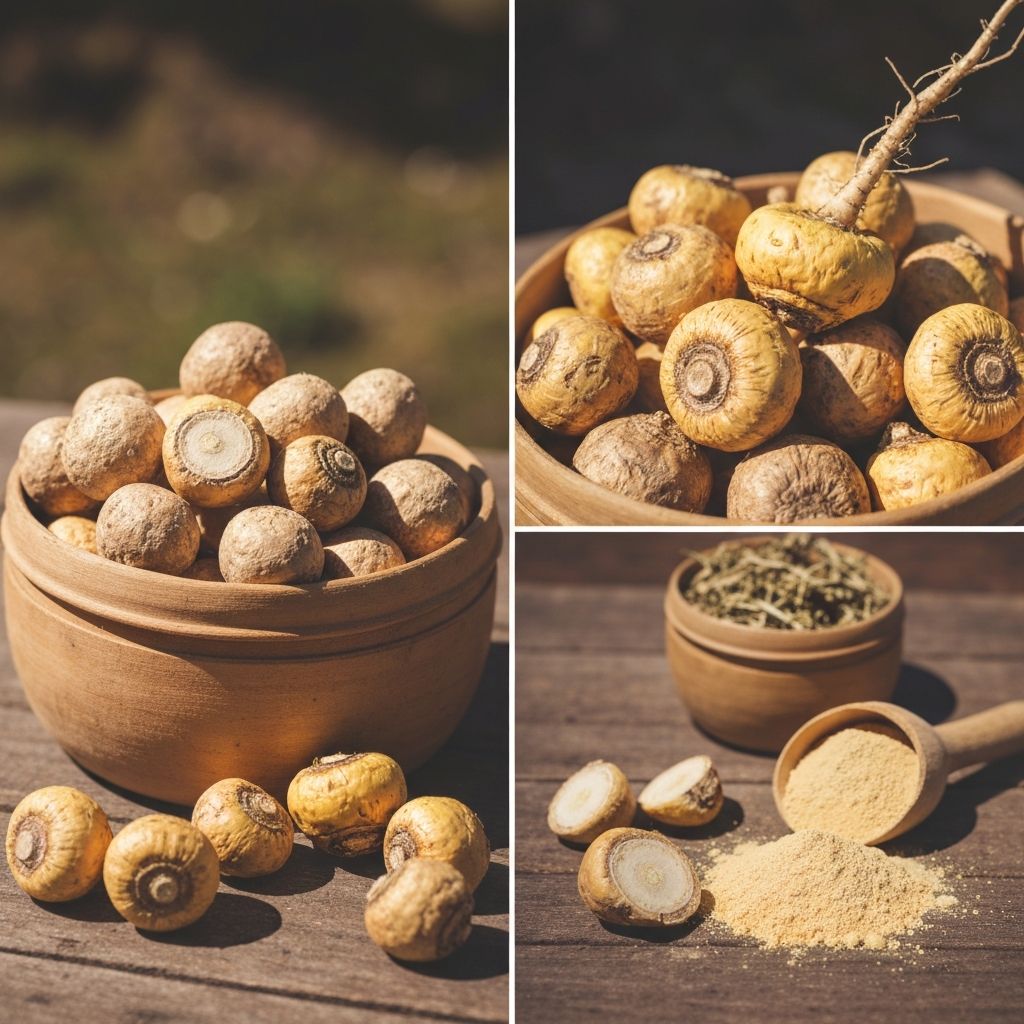
Lepidium meyenii, known as maca, is a cruciferous root vegetable indigenous to the high plateaus of the Andes Mountains in Peru and Bolivia. The plant thrives at elevations between 7,500 and 13,000 feet, where it adapted to harsh environmental conditions including intense solar radiation, extreme temperature fluctuations, and mineral-rich soil.
The Lepidium meyenii root develops as an underground tuber, typically ranging from 4 to 8 centimeters in length, with a starchy composition distinct from Withania somnifera. Traditional varieties display color variations including cream, yellow, red, purple, and black forms, each with subtle differences in taste and cultural significance within Andean communities.
The common names for Lepidium meyenii include "Peruvian ginseng" in international contexts, a reference that emerged through comparative herbal knowledge systems rather than botanical classification. Traditional preparation methods in Andean regions included roasting, drying, and milling the root into fine powder for incorporation into daily dietary practices and communal gatherings.
Across both Ayurvedic and Andean traditions, the preparation of Withania somnifera and Lepidium meyenii roots followed established methods passed down through generations. These preparation techniques were integral to the cultural contexts in which the roots were utilized.
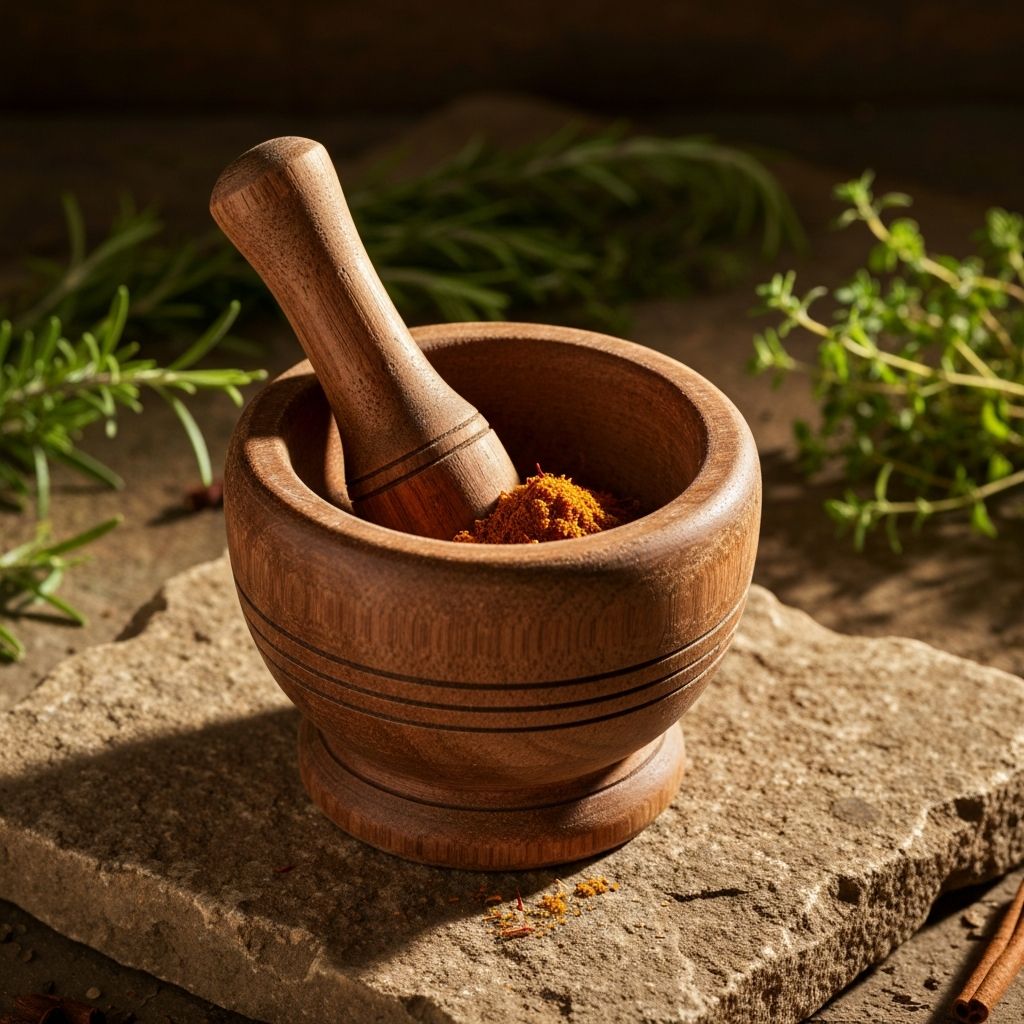
Dried roots were cleaned, ground using traditional stone mortars and pestles, and stored in clay vessels. This preparation maintained the plant material in a stable form suitable for long-term storage and easy incorporation into daily practices.
Root pieces were gently simmered in water for extended periods, creating infusions used in traditional evening and morning rituals. The decoction method extracted botanical compounds through heat and time, forming part of cultural wellness routines.
Powdered roots were mixed with warm milk, often combined with regional spices and sweetening agents. This preparation method, particularly significant in Ayurvedic contexts, created creamy beverages incorporated into daily seasonal practices.
Both Withania somnifera and Lepidium meyenii contain diverse botanical compounds that have been identified through modern phytochemical analysis. Understanding these general classes of compounds provides context for traditional knowledge systems without making claims about specific physiological effects.
The root contains several classes of organic compounds including:
The root contains various botanical compounds including:
The knowledge of Withania somnifera gradually reached Mediterranean regions through the complex network of historical trade routes connecting South Asia, the Middle East, North Africa, and Europe. These routes, active since antiquity, facilitated not only the exchange of goods but also of botanical knowledge and cultural practices.
During the medieval period and the Renaissance, European scholars and merchants encountered descriptions of ashwagandha through Arabic texts and direct contact with Middle Eastern scholars. The integration of ashwagandha into Mediterranean herbal knowledge occurred gradually, with regional herbalists adapting preparation methods to local traditions and preferences.
Lepidium meyenii's introduction to Mediterranean contexts occurred much more recently, following the European exploration and colonization of the Americas in the 16th century. Scientific interest in maca accelerated dramatically during the 20th century, with contemporary Mediterranean regions now incorporating knowledge of the Peruvian root into broader discussions of traditional plant heritage.
In both Ayurvedic and Andean cultural systems, Withania somnifera and Lepidium meyenii roots were incorporated into daily practices understood as supporting general equilibrium and sustained physical activity. These practices were embedded in broader frameworks of living that included diet, movement, rest, and social ritual.
Within Ayurvedic philosophy, the concept of "balance" encompassed not only physical wellness but also mental clarity, emotional stability, and spiritual alignment. The root preparations were part of a holistic approach to daily living, used seasonally and individually adapted according to principles of constitutional balance.
In Andean cultures, the incorporation of Lepidium meyenii into daily diet was understood as a contribution to stamina, vitality, and capacity for sustained labor in high-altitude mountain environments. The root was consumed both in ceremonial contexts and as a regular dietary staple, woven into the fabric of community life and seasonal agricultural practices.
Traditional practices across multiple cultures incorporated intentional breathing patterns as part of daily wellness routines. Diaphragmatic breathing, also known as belly breathing, is a fundamental practice found in Ayurvedic, Andean, and Mediterranean wellness traditions.
This simple breathing practice can be integrated into daily routines:
This practice is traditionally understood as cultivating awareness of the breath-body connection and can be practiced independently from root preparations, as a standalone wellness routine.
Traditional relaxation practices in multiple cultures emphasized awareness of physical tension and the intentional release of muscular holding patterns. These techniques, understood as neutral pause periods within daily activity, can be practiced independently.
A basic relaxation practice accessible to anyone:
This traditional practice, found across wellness traditions, can be understood as a neutral technique for cultivating bodily awareness and releasing tension accumulated during daily activities.
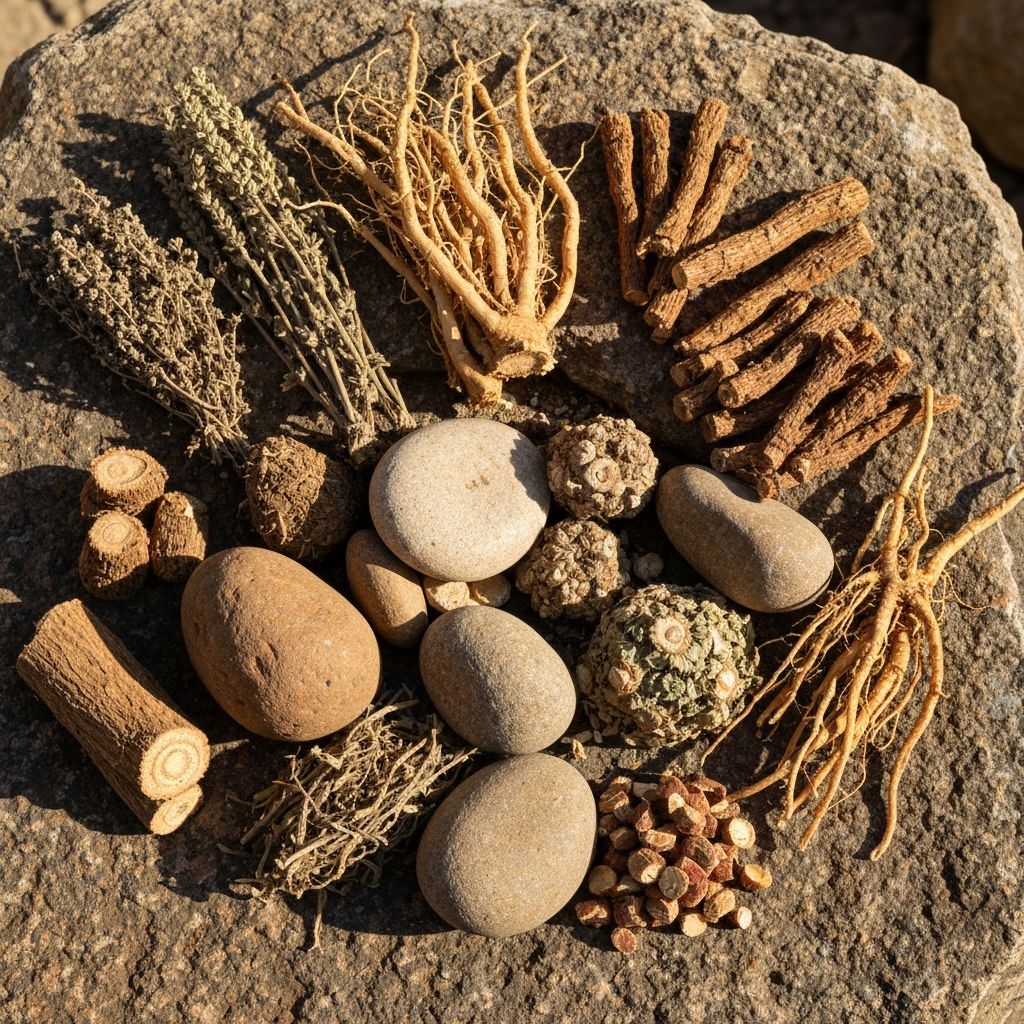
Across human cultures, the use of diverse roots and tubers in daily wellness practices reflects the rich botanical heritage available in different geographical regions. Understanding this diversity contextualizes the role of Withania somnifera and Lepidium meyenii within the broader landscape of traditional plant knowledge.
Different cultures developed distinct approaches to root preparation, incorporation into diet, and integration into wellness routines, each reflecting local environmental conditions, available resources, and philosophical frameworks. This diversity demonstrates that no single root or preparation method represents a universal solution; instead, various approaches coexist as valid expressions of cultural wisdom.
Modern interest in traditional roots often involves comparative study of how different cultures approached similar wellness objectives through distinct botanical and practical methods. This perspective acknowledges both the specificity of cultural traditions and the broader patterns of human engagement with plant materials for supporting daily wellbeing and activity.
Educational Content Only. All materials presented on this website are provided for informational and educational purposes exclusively. The content does not constitute medical, nutritional, therapeutic, or clinical advice.
No Personal Recommendations. Nothing on this website is intended to diagnose, treat, cure, mitigate, or prevent any disease or health condition. Individual responses to plants and practices vary considerably, and personal health decisions must be made in consultation with qualified healthcare providers.
Diverse Approaches Exist. Traditional practices related to roots and wellness vary significantly across cultures, time periods, and individuals. Historical use does not imply universal suitability or guaranteed outcomes.
No Personal Medical Guidance. This website does not replace professional medical consultation, diagnosis, or treatment. For personal health concerns, always consult with qualified healthcare practitioners.